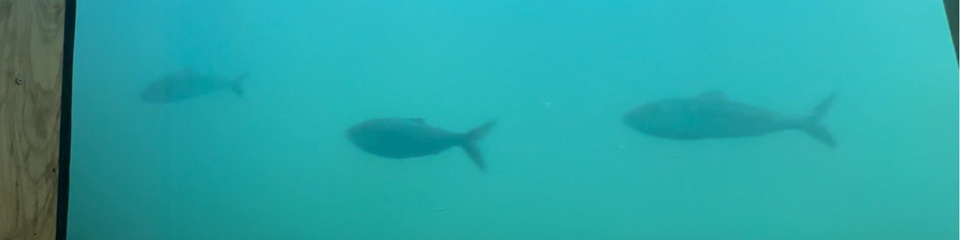
Bonneville Dam Fish Ladder
Visiting the Bonneville Fish Ladder and Hatchery offers a captivating, up-close encounter with the intricate balance between industrial progress and ecological preservation. Situated adjacent to the colossal Bonneville Dam on the Oregon side of the Columbia River, these interconnected facilities serve as a critical lifeline for migratory fish species. While the hatchery originally began operations on a small scale in 1909, the construction of the dam in the 1930s mandated massive expansions to mitigate the barrier placed in the path of returning salmon. Today, the complex is recognized as the oldest and largest hatchery in Oregon, drawing hundreds of thousands of nature enthusiasts and families annually.
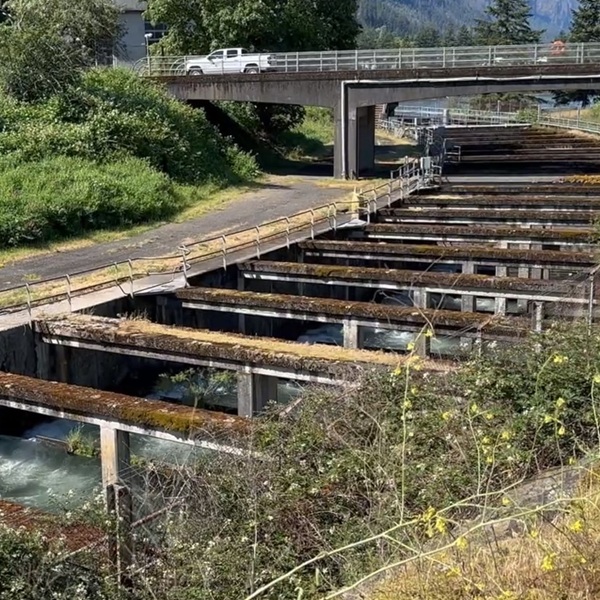
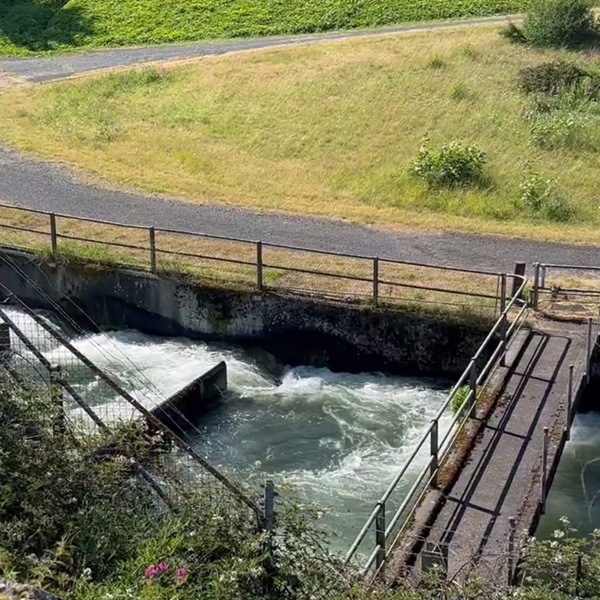
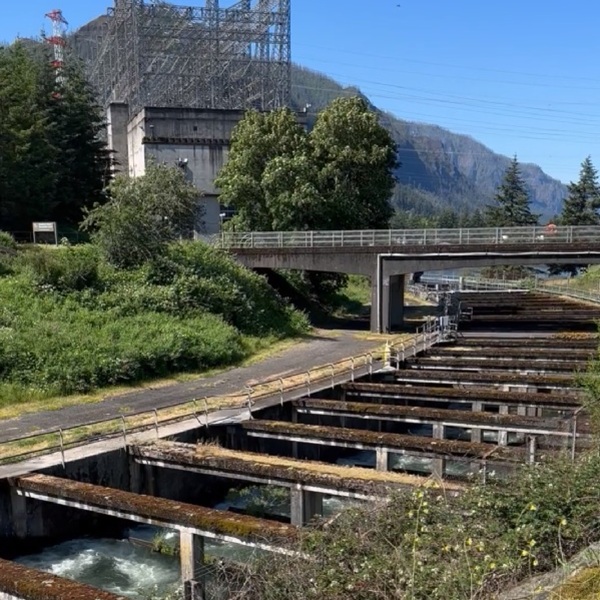
The construction and architectural design of these facilities are entirely engineered around fluid dynamics and natural fish behaviors. The fish ladders consist of massive, terraced concrete flumes that curve upward from the river below, utilizing a series of stepped pools that allow Chinook, Coho, sockeye salmon, and steelhead to leap from level to level using their innate instinct to swim against the current. Meanwhile, the neighboring hatchery utilizes a system of interconnected, outdoor concrete holding ponds, rearing raceways, and a specialized egg incubation building. These structures are continuously fed by thousands of gallons of cold, pristine water sourced directly from nearby Tanner Creek and the Columbia River to replicate natural spawning conditions.
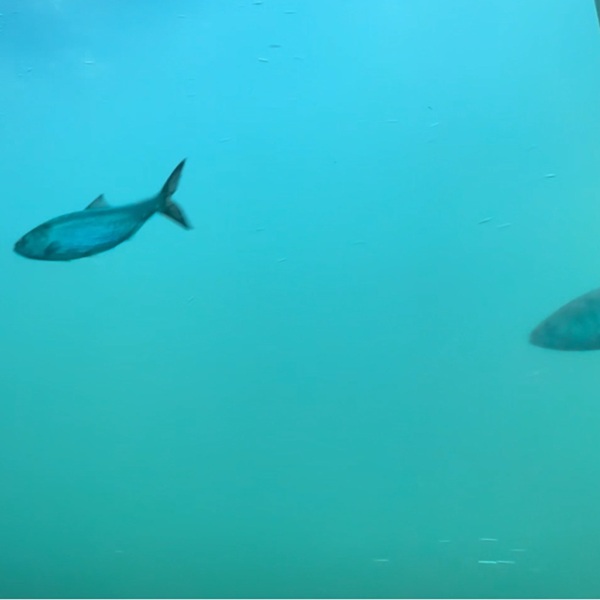
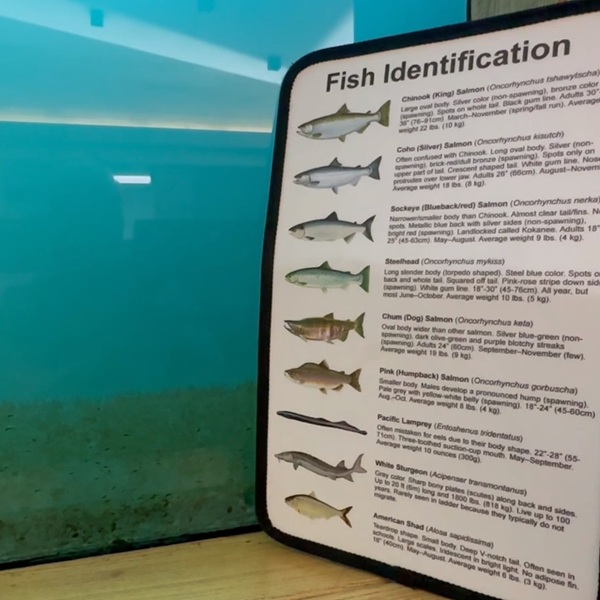
From a statistical standpoint, the hatchery is an absolute powerhouse of artificial propagation, releasing up to 12 million salmon smolts annually to sustain both commercial and recreational fishing industries. To handle the volume of fish migrating naturally through the river, the dam’s fish ladders feature specialized subterranean counting stations. Through massive glass viewing windows, human counters and automated video monitoring systems log each passing fish 24 hours a day during peak seasons. These metrics provide invaluable real-time biological data used by state and federal wildlife agencies to monitor the overall health of the Columbia River basin’s fragile ecosystems.
The crown jewel of unique points of interest at the facility is the Sturgeon Viewing Center, home to “Herman the Sturgeon.” Herman is a legendary, prehistoric-looking white sturgeon measuring approximately 10 feet long, weighing over 450 pounds, and estimated to be more than 80 years old. Visitors can watch this gentle giant glide majestically through the clear waters of a custom-built, glass-walled viewing pavilion. Elsewhere on the beautifully landscaped park grounds, guests can purchase handfuls of feed to throw into dedicated rainbow trout ponds, explore an interpretive display showcasing historic fish-harvesting wheels, or relax along the scenic trails, making the complex a rich blend of education, history, and wildlife interaction.
Fun Facts
The Bonneville Dam features two fish ladders that allow migrating salmon and steelhead to bypass the dam. Opened in 1938, these fish ladders are still among the most studied and advanced fish passage systems in North America.
Attraction Advice
The Bonneville Fish Ladder visitor center and hatchery is open daily from 9 AM to 5 PM. Admission is free. Parking is free. Although pets are not allowed anywhere on the Bonneville Dam facility grounds or in the visitor centers, the Bonneville Fish Hatchery is completely pet-friendly.
Coming Events
No upcoming events scheduled.
Information
-
Sponsored by:
Stevenson-Skamania County Chamber of Commerce - Cascade Locks, OR
- (541) 374-8820
-
Amenities:
- Accessible
- Pet Friendly
- Kid Friendly