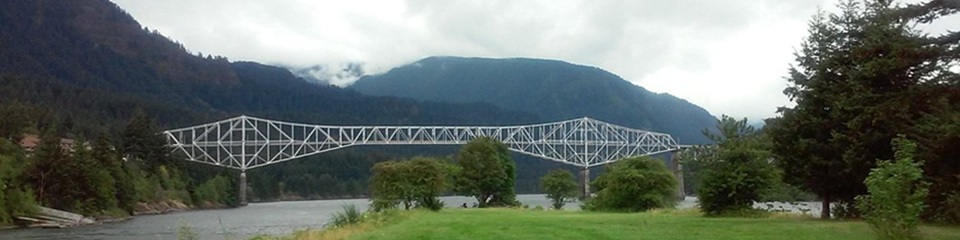
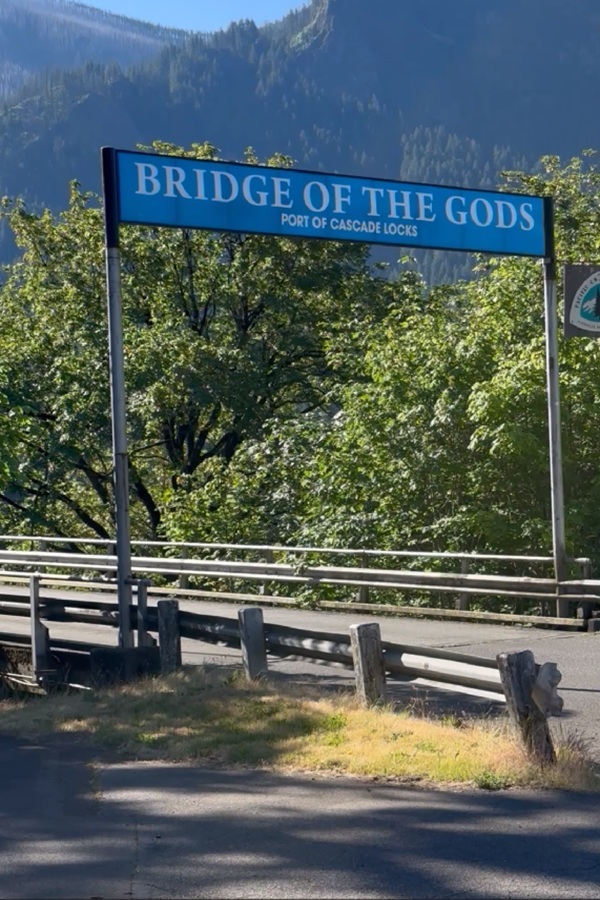
Bridge of the Gods
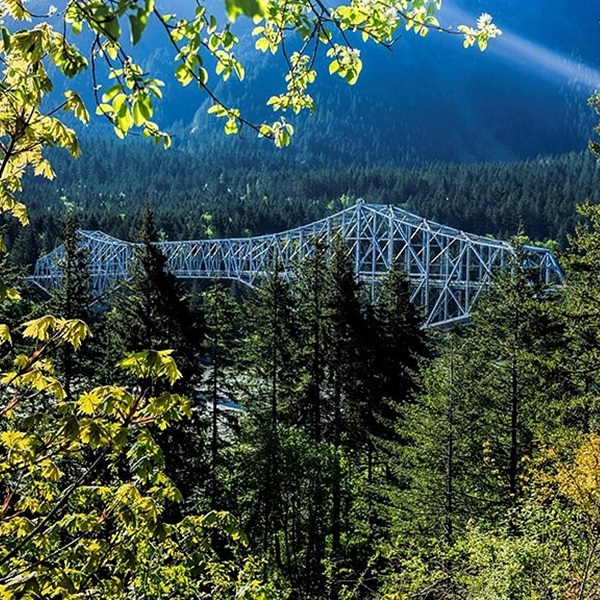
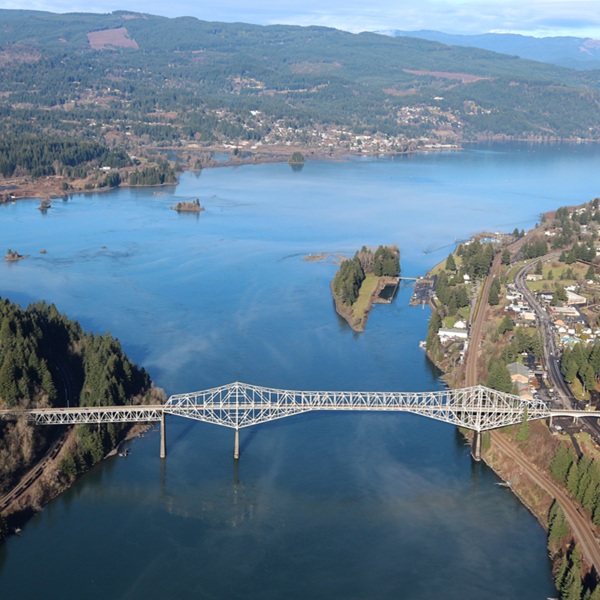
Spanning the mighty Columbia River just a few miles downriver from Stevenson, Washington, the Bridge of the Gods is a breathtaking engineering marvel that links the rugged evergreen shores of Washington state with Cascade Locks, Oregon. As the third-oldest bridge on the Columbia River, this iconic structure serves as a critical transportation artery and a dramatic focal point within the Columbia River Gorge National Scenic Area. Stretching 1,858 feet in length and rising roughly 140 feet above the rushing waters below, the bridge offers travelers and onlookers a thrilling, unobstructed vantage point of the canyon’s towering basalt cliffs.
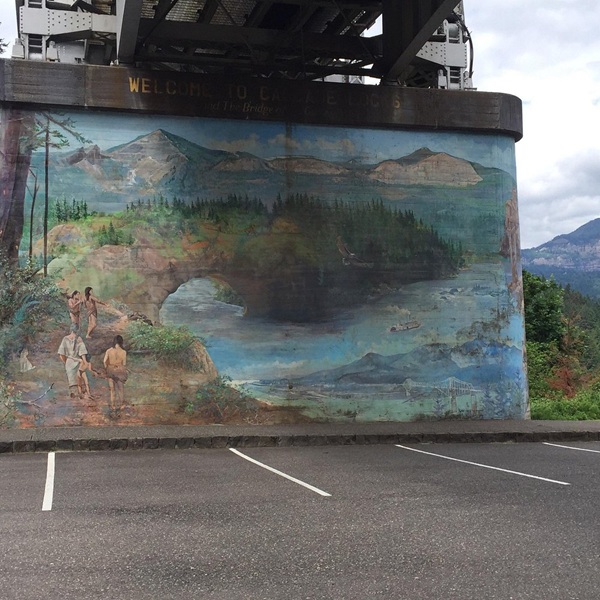
The structure borrows its majestic name from an ancient geological wonder that existed long before modern steel was forged. Around the year 1450, a catastrophic event known as the Bonneville Landslide sent over five square miles of debris cascading down from the southern slopes of Table Mountain on the Washington side. The resulting massive debris dam choked the Columbia River, forming a natural, 200-foot-tall land bridge that allowed indigenous tribes to cross the river completely dry-shod. immortalized in Klickitat and Chinookan oral tradition, this natural wonder stood for decades before the river inevitably breached the dam, washing away the bridge and leaving behind the treacherous, churning Cascade Rapids.
In the early 1920s, plans were set in motion to construct a permanent, man-made connection across this historic choke point. The Interstate Construction Corporation broke ground on the project, but after five years of slow progress, it had managed to erect only a single concrete pier. In 1926, the Wauna Toll Bridge Company stepped in, purchased the interests, and aggressively pushed the project across the finish line. The final design was a classic steel cantilever through-truss bridge, measuring 1,127 feet long at its initial completion and featuring a narrow wooden deck that sat 91 feet above the natural river level.
The bridge underwent a remarkable, high-stakes transformation just over a decade after its opening. The construction of the Bonneville Dam, a few miles downriver, threatened to permanently submerge the bridge under the rising reservoir waters of Lake Bonneville. To save the structure, engineers embarked on a monumental hydraulic jacking project in 1938, carefully raising the entire steel bridge 44 feet into the air and extending its approach spans to its current total length. In 1961, the Port of Cascade Locks purchased the bridge, eventually replacing its aging wooden deck with a signature open steel grating that hums loudly beneath the tires of passing vehicles.
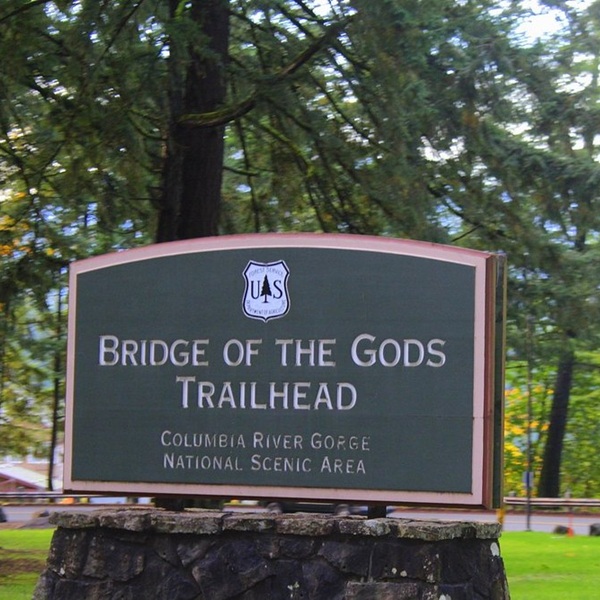
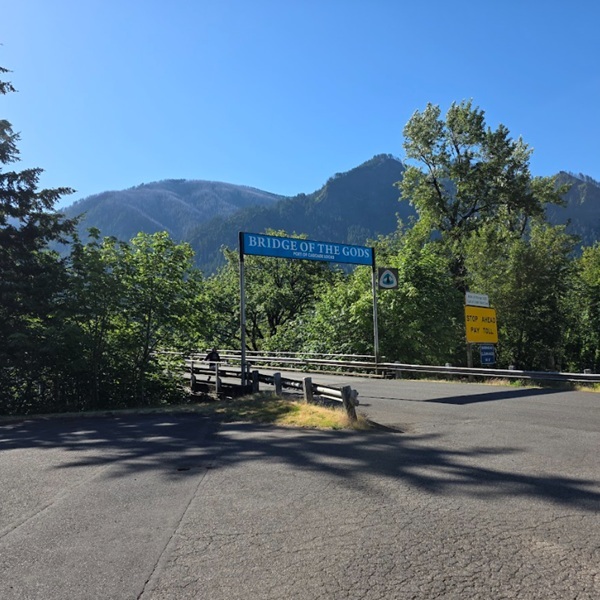
Beyond its rich history and engineering feats, the Bridge of the Gods holds a distinct, legendary status among outdoor enthusiasts. It serves as the official crossing point for the Pacific Crest Trail (PCT), welcoming thousands of through-hikers every year as they journey from Mexico to Canada; because the bridge deck sits just 180 feet above sea level, it represents the absolute lowest elevation point on the entire 2,650-mile trail.
Fun Facts
Aviation history was made in September 1927, shortly after the bridge opened, as famed aviator Charles Lindbergh reportedly flew the Spirit of St. Louis low over the bridge, turned around, and flew underneath it before continuing his journey.
Attraction Advice
The Bridge of Gods is accessible year-round, 24 hours per day. There is no longer a toll charge to cross the bridge. The bridge allows for vehicles, bicycles, and pedestrian traffic.
Coming Events
No upcoming events scheduled.
Information
-
Sponsored by:
Stevenson-Skamania County Chamber of Commerce - Stevenson, WA
-
Amenities:
- Accessible
- Pet Friendly
- Kid Friendly